
Cultural festivals are more than just celebrations. They are moments where people come together, share their stories, and learn from one another. Whether it’s through food, music, dance, or traditions, these festivals allow communities to connect and grow stronger.
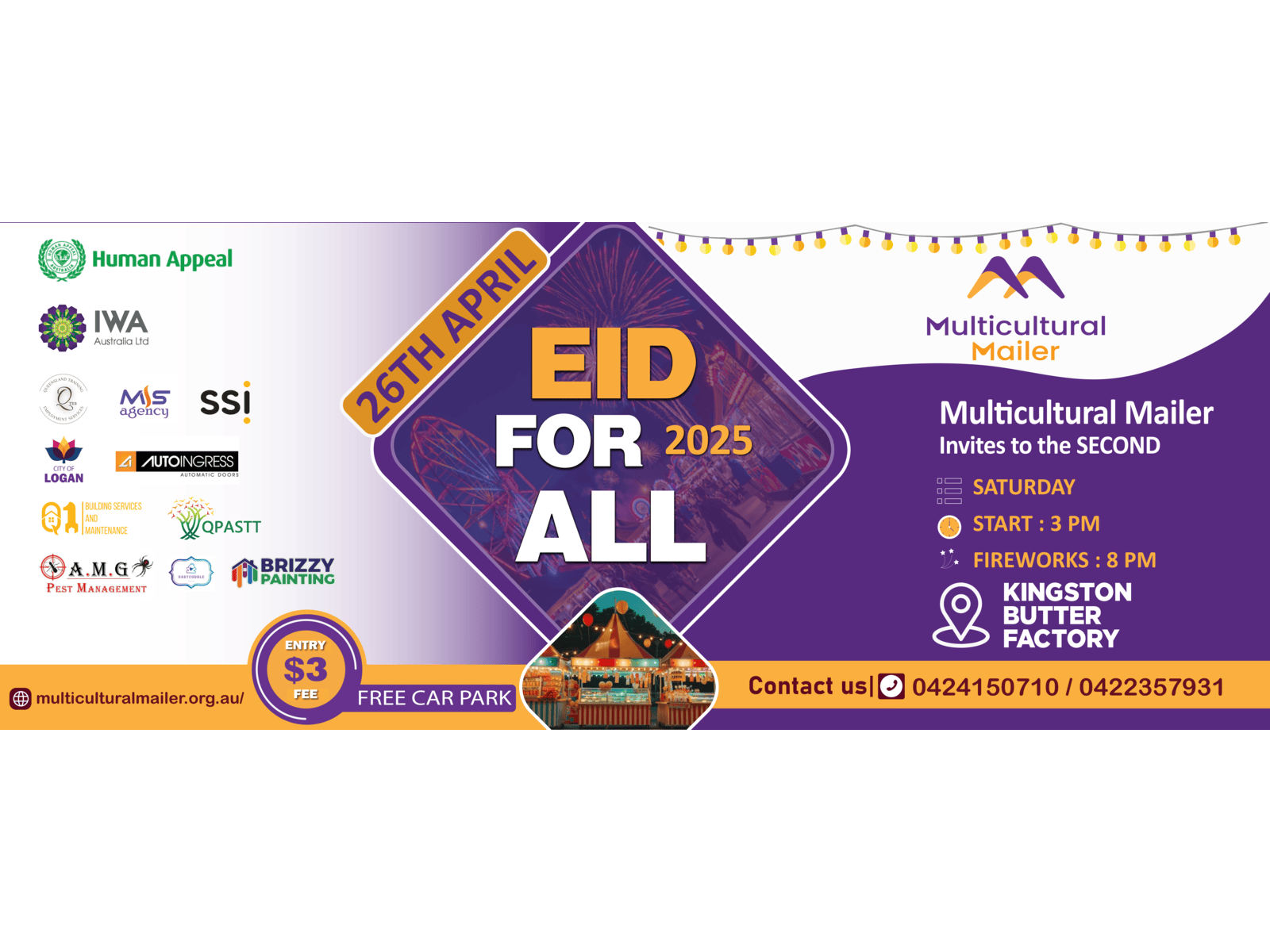
One beautiful example is Eid for All 2025, a vibrant community festival that brings people of all cultures together to celebrate unity, peace, and diversity. This event showed exactly why it’s important to join cultural festivals near you — not just to have fun, but to feel like you truly belong.
In this blog, we’ll explore why cultural festivals matter, how they impact lives, and what made Eid for All 2025 a celebration to remember. You’ll also learn how to find festivals near you and get involved in meaningful ways.
Why Cultural Festivals Matter
Cultural festivals help build strong communities. They create spaces where people from different backgrounds come together to learn, celebrate, and support one another. Here’s why they matter:
- They bring joy and connection.
- Festivals are full of color, music, dance, and laughter. They allow us to relax, enjoy, and build positive memories with others.
- They break down barriers.
- When we learn about other cultures, we understand each other better. It helps reduce fear and increases respect.
- They teach young people pride and acceptance.
- Children who attend cultural festivals grow up knowing that differences are beautiful and should be celebrated.
- They build safe, inclusive communities.
- A society that celebrates culture is a society that includes everyone. No one feels left out when everyone is welcomed.
The Power of Eid for All 2025
One of the most inspiring cultural events this year was Eid for All 2025, held in the heart of Brisbane. This free community festival was more than just a religious celebration — it was a gathering for people of all backgrounds.
The goal was simple: to bring everyone together to celebrate the end of Ramadan, regardless of religion, culture, or nationality.
Let’s take a deeper look at what made this event so special.
A Festival for Everyone
From the name itself — “Eid for All” — the message was clear. This event was not only for Muslims. It was for the entire community.
People from all walks of life attended:
- Families with children
- Young adults and students
- Community leaders
- Elders
- Migrants and long-time residents
It was a chance to come together and say, “You are welcome here.”
Free and Open to All
Eid for All 2025 was a free public event. No one had to pay to join the celebration. This made it easy for everyone, no matter their financial situation, to attend.
It was held in a central location in Brisbane, making it accessible by public transport. The timing was family-friendly, with activities planned throughout the day to keep everyone engaged and entertained.
A Celebration of Unity
The event focused on three powerful themes:
- Community
- Diversity
- Togetherness
From the moment you entered the venue, you could feel a sense of belonging. The space was decorated with colorful flags, lights, and traditional art from various cultures. Each stall, stage, and corner of the park reflected the spirit of multiculturalism.
It didn’t matter where you came from — everyone was celebrated.
What Happened at the Festival?
The best way to understand why you should join cultural festivals near you is to see what happens at these events. Eid for All 2025 was packed with exciting, inclusive activities that offered something for everyone.
Food Stalls from Around the World
Food is a powerful way to share culture. At Eid for All 2025, the food stalls were a highlight. They featured dishes from:
- Middle Eastern countries like Lebanon, Syria, and Palestine
- South Asian countries like Pakistan, Bangladesh, and India
- African nations such as Sudan and Somalia
- Southeast Asia, including Malaysia and Indonesia
The smells were rich, the tastes were bold, and everyone enjoyed discovering new flavors.
There were also sweets and traditional desserts like dates, baklava, and vermicelli pudding. For many, it was their first time tasting such treats, and they loved it!
Live Performances
The festival stage stayed lively throughout the day with music and dance performances from different cultures.
You could hear traditional drumming, see folk dances, and enjoy storytelling that shared important cultural lessons. Performers wore colorful outfits and shared songs in different languages.
From Islamic nasheeds to Indigenous music and African rhythms, the performances brought the crowd together, clapping and cheering as one.
Henna, Face Painting, and Art
Stalls were offering:
- Henna for hands and arms
- Face painting for children
- Traditional calligraphy
- Cultural crafts
Kids and adults lined up to get beautiful henna patterns or fun face designs. Others enjoyed trying out Arabic writing or learning how to fold paper into traditional shapes.
These art activities helped people of all ages learn about culture in a creative, hands-on way.
Free Gifts and Giveaways
The spirit of giving was strong. Many stalls gave away:
- Free sweets and snacks
- Small cultural gifts
- Eid cards and bookmarks
Volunteers handed out welcome bags to new attendees. It was a simple yet powerful gesture that made people feel appreciated and included.
Information and Support Booths
Apart from food and fun, booths were provided:
- Free health check-ups
- Job support services
- Mental health awareness
- Information on community programs
This made the festival not only fun but also practical. People could get real help and connect with support services in a relaxed setting.
A Safe Space for All Ages
One of the best parts of the festival was how safe and welcoming it felt. Families with small children enjoyed kid-friendly games and puppet shows. Older people found quiet seating and were treated with respect.
Volunteers were everywhere — helping, smiling, and guiding people.
The event felt like home.
Glimpses from the Day
Photos and smiles told the full story of the day. You can see:
- Children playing together on the grass
- Strangers sharing meals and chatting
- Volunteers working with joy
- Performers dancing in traditional clothes
- People from all cultures sitting side by side, laughing
It wasn’t just an event. It was a reminder of how good things can be when we come together.
These moments matter. They stay in your heart long after the music ends.
How Cultural Festivals Help New Migrants
If you’re a migrant or refugee in Australia, cultural festivals can help you in many ways:
- Make new friends
- You’ll meet people who understand your journey.
- Feel proud of your culture
- You’ll see your traditions celebrated, not ignored.
- Learn about other cultures
- You’ll understand how others live, worship, and celebrate.
- Find support
- Many events include info booths for jobs, housing, education, and health.
When you join a cultural festival, you feel seen, heard, and accepted.
How to Get Involved
Want to attend or even volunteer at the next big event? Here’s what you can do:
- Follow local councils or cultural centers
- Talk to your local mosque, temple, church, or community group
- Stay updated through platforms like Multicultural Mailer
- Invite friends and family to come with you
You don’t need to know anyone. You just need to show up with an open heart.
Why You Should Join Cultural Festivals Near You
Cultural festivals are not just for one group — they are for everyone. Whether you’re new to Australia or have lived here all your life, attending these events gives you:
- A chance to learn
- A space to share
- A reason to celebrate
You’ll feel more connected. You’ll find joy in differences. And you’ll walk away with new friends, new ideas, and a warm heart.
Final Thoughts
Eid for All 2025 was a shining example of how powerful cultural festivals can be. It brought people together, lifted spirits, and showed the true beauty of diversity.
So, if you ever wonder whether to attend a cultural event, don’t hesitate. Say yes. Show up. Smile. Celebrate.
Because when we join festivals that honor culture, we don’t just share food and music — we build bridges between people.
And in that moment, everyone belongs.